
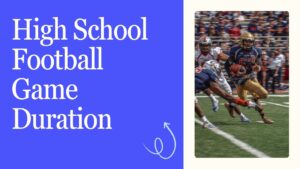
Short answer: most high school football games last about two to two and a half hours. From my experience sitting under those Friday night lights, the clock can feel both fast and slow depending on the action. You’ve got four 12-minute quarters, but between timeouts, halftime, and the occasional injury stoppage, the game stretches out longer than the numbers suggest.
Kickoffs and breaks matter too. Short answer: the clock doesn’t run continuously. I remember a game where the first quarter felt like a sprint, but a few long drives, extra timeouts, and a lightning delay stretched the whole night. Watching the players hustle while the crowd cheers makes every pause feel like part of the drama.
Halftime adds its own rhythm. Short answer: expect around 15–20 minutes. It’s the perfect breather, whether you’re grabbing snacks, chatting with friends, or just soaking in the stadium vibe. In my years attending high school games, halftime often becomes its own mini-event, with band performances and cheer routines keeping the energy alive.
In short, how long are highschool football games isn’t just about the numbers on the scoreboard—it’s about the rhythm, pauses, and excitement that fill the field. Short answer: plan for roughly two to three hours, especially if it’s a big rivalry night. Trust me, you’ll want every minute of it.
Notre Dame Football Helmet
Short answer: the Notre Dame football helmet isn’t just protective gear—it’s an icon of tradition and pride. I’ve seen it up close at a few games, and there’s something about that gold shine under stadium lights that makes the whole team feel larger than life. Every time a player steps onto the field wearing it, you can almost hear the history whispering from decades of legendary matchups.
It’s more than looks. Short answer: the helmet is built for safety and performance. From my chats with a few players and coaches, the gold helmet uses modern padding and face masks to protect against hard hits, while still being lightweight enough for speed and agility. Watching a crisp pass or a quick dodge in those helmets made me appreciate how design meets tradition.
Fans take it seriously too. Short answer: spotting that gold helmet in a crowd is like seeing a lighthouse in a storm. I remember tailgating before a big Notre Dame game, and everyone was snapping photos, wearing stickers, and talking about classic plays—all centered around that helmet. It’s not just a helmet; it’s a symbol that brings players, alumni, and fans together.
In short, the Notre Dame football helmet is a mix of history, safety, and pure school pride. Short answer: whether you’re a fan, a player, or just curious about college football culture, that iconic gold shine tells a story that goes far beyond the field.
Lakeland Football
Short answer: Lakeland football isn’t just a high school sport—it’s a full-on community experience. I’ve been to a few Friday night games there, and the energy is contagious. From the first kickoff to the final whistle, the crowd, the cheerleaders, and the band all make you feel like you’re part of something bigger than the scoreboard.
The players bring intensity to the field. Short answer: these athletes give it their all every game. I remember one close matchup where Lakeland’s quarterback scrambled through a tough defense, and the stadium erupted—it was like watching raw determination in motion. Every play tells a story of teamwork, grit, and a little bit of Friday night magic.
Fans and tradition matter too. Short answer: game nights are more than football—they’re social rituals. Tailgating, pre-game chants, and families showing up together create a vibe that’s hard to describe unless you’ve experienced it. I’ve noticed that even alumni come back just to relive the excitement, proving how Lakeland football connects generations.
In short, Lakeland football is about heart, hustle, and community pride. Short answer: whether you’re cheering from the stands or on the sidelines, you feel the energy, the history, and the love for the game in every moment.
Football Helmet Covers
Short answer: football helmet covers aren’t just for looks—they’re a smart way to protect your helmet and show team spirit. I’ve seen players toss on colorful covers during practices and even some games, and it instantly changes the vibe on the field. It’s like giving your helmet a little personality while keeping it safe from scratches and scuffs.
Protection meets practicality. Short answer: covers help preserve your helmet’s integrity. I remember a teammate who used a padded cover during a tough scrimmage, and it actually absorbed a few glancing hits, keeping the helmet in great shape. It’s a simple gear tweak that extends the life of expensive equipment without adding weight or slowing you down.
Team identity gets a boost too. Short answer: helmet covers are a canvas for colors, logos, and numbers. Watching a row of helmets lined up in matching covers is almost hypnotic—it’s pride, unity, and intimidation all wrapped into one. I’ve noticed teams using covers to mark captains or special plays, making it easier for players and coaches to communicate on the fly.
In short, football helmet covers blend safety, style, and strategy. Short answer: whether you’re a player, coach, or fan, these covers add protection, flair, and a little edge to every snap. They’re one of those small details that make a big difference on the field.
Montana Western Football
Short answer: Montana Western football isn’t just about touchdowns and tackles—it’s a tight-knit community wrapped in small-town spirit. I’ve been to a few games there, and the energy is something you feel in your chest. From the first whistle to the final play, fans, players, and coaches all create an atmosphere that makes every game feel bigger than the scoreboard.
The players bring grit and heart. Short answer: these athletes leave it all on the field. I remember a close matchup where the quarterback made a last-second scramble that had the crowd roaring—it was pure determination in motion. Every block, every run, every pass tells a story of teamwork, resilience, and that Montana Western hustle.
Tradition and pride matter too. Short answer: game nights are more than football—they’re rituals. Families gather, alumni come back, and the marching band keeps the stadium alive between plays. I’ve noticed that even casual fans get swept up in the excitement, proving how Montana Western football connects generations and strengthens community bonds.
In short, Montana Western football is about heart, pride, and shared experience. Short answer: whether you’re on the sidelines or in the stands, the energy, history, and love for the game make every snap memorable.
East Central High School Football
Short answer: East Central High School football isn’t just a sport—it’s a Friday night tradition that brings the whole community together. I’ve been to a few games, and from the moment the players hit the field, you can feel the energy in the stands. From students to parents, the excitement builds like a wave rolling toward the end zone.
The players bring passion and skill. Short answer: these athletes give everything they’ve got every game. I remember one matchup where the running back broke through a tough defense, and the crowd went wild—it was like watching determination and practice collide in real time. Every play is a mix of strategy, hustle, and pure heart.
Fans and school spirit matter too. Short answer: game nights are as much about the community as the scoreboard. Tailgating, marching band performances, and cheer routines create an atmosphere you just can’t capture on TV. I’ve noticed that even alumni come back just to relive the energy, proving that East Central football connects generations and builds lasting memories.
In short, East Central High School football is about heart, pride, and community. Short answer: whether you’re cheering from the bleachers or watching from the sidelines, every game delivers energy, tradition, and moments you won’t forget.
What Does PA Mean in Fantasy Football
Short answer: in fantasy football, PA usually stands for “Points Against.” It’s a stat that shows how many fantasy points a defense has allowed to a particular position, like quarterbacks or running backs. I remember the first time I tracked PA for my league—it totally changed how I picked my starters. Seeing which defenses were giving up the most points helped me make smarter, more confident decisions.
It’s all about strategy. Short answer: knowing a team’s PA can give you an edge when setting your lineup. For example, if a wide receiver is facing a defense with a high PA, chances are good they’ll have a bigger game. I’ve had weeks where I swapped in players purely based on PA stats and it paid off—sometimes a small tweak like that makes the difference between a win and a loss.
PA isn’t the whole story though. Short answer: it’s just one piece of the puzzle. I’ve learned to combine PA with matchups, player health, and recent performance for the best results. Fantasy football is a mix of data and gut instinct, and PA stats help you tilt the odds in your favor without overthinking every snap.
In short, PA in fantasy football is about measuring opportunity. Short answer: by tracking points against, you can make smarter lineup choices, anticipate big games, and enjoy the season with a bit more confidence and strategy.
What Does RZ Mean in Fantasy Football
Short answer: in fantasy football, RZ stands for “Red Zone.” It tracks how often a team or player reaches the opponent’s 20-yard line, which is prime scoring territory. I remember the first time I started paying attention to RZ stats—it completely changed how I picked my starters. Seeing which players get the most red zone opportunities helped me aim for those high-impact points that can win a week.
Red zone is where the magic happens. Short answer: being in the RZ means a higher chance of touchdowns. I’ve noticed that quarterbacks with a lot of RZ attempts often rack up big fantasy points, and running backs who get carries in the red zone are like mini scoring machines. Even wide receivers can shine there, especially if they’re the go-to target near the goal line.
But context matters. Short answer: RZ stats aren’t everything—they need to be combined with overall usage, matchup, and scoring tendencies. I’ve learned to weigh RZ with things like team pace and play style. Fantasy football is about spotting opportunity and making smart choices, and RZ numbers give you a peek into where the action is most likely to happen.
In short, RZ in fantasy football measures scoring potential. Short answer: tracking red zone touches can help you pick players who are most likely to convert opportunities into points, giving you an edge when it counts most.
What Position Is EDGE in Football
Short answer: in football, EDGE is a defensive position focused on rushing the passer and stopping the run on the outside of the line. Think of it as a hybrid between a defensive end and a linebacker. I remember the first time I saw an EDGE player in action—it felt like watching a predator reading the quarterback’s every move, ready to pounce at any moment.
They’re game-changers. Short answer: EDGE players use speed, strength, and smart angles to disrupt plays. I’ve watched games where a single EDGE sack or tackle-for-loss completely shifted momentum. These athletes are often the ones making the big, highlight-reel plays that make fans jump out of their seats.
But it’s more than just chasing the QB. Short answer: EDGE defenders also need to set the edge against the run. I’ve seen games where a strong EDGE player forces running backs to bounce outside, buying the rest of the defense precious seconds to make the tackle. It’s a mix of power, technique, and football IQ that makes this position so unique.
In short, EDGE in football is about impact and versatility. Short answer: whether you’re watching the game or building a fantasy defense, EDGE players are key disruptors who can change the flow of every play with speed, strength, and instinct.
How Many Yards Is in a Football Field
Short answer: a standard football field is 100 yards from goal line to goal line, with an extra 10 yards at each end for the end zones. I remember the first time I stood on a full-size field—it felt massive! Even though 100 yards sounds simple on paper, seeing players sprint that distance at full speed really puts it into perspective.
End zones add more drama. Short answer: the extra 10 yards on each side are where touchdowns happen. I’ve watched games where a play started just outside the end zone and ended in a nail-biting score. Those short distances become huge in the moment, especially when the defense is closing in fast.
Don’t forget the sidelines and hash marks. Short answer: while they don’t count as “yards,” they guide every play and give players a sense of space. I’ve noticed quarterbacks adjusting their throws based on the hash marks, and kickers lining up with the sideline in mind—it’s all part of the geometry of the game.
In short, a football field is 100 yards of action, plus two 10-yard end zones. Short answer: understanding the yardage helps you follow the game, appreciate strategy, and even get a sense of how far a player really runs when you watch a big play.
Hillcrest High School Football
Short answer: Hillcrest High School football isn’t just a sport—it’s a Friday night ritual that brings the whole community together. I remember my first Hillcrest game; the stands were packed, the band was playing, and the smell of popcorn mixed with fresh-cut grass—it instantly felt like home. The energy is contagious, and you can feel it from kickoff to the final whistle.
The players give it everything. Short answer: Hillcrest athletes leave it all on the field every game. I’ve seen quarterbacks scramble through tough defenses, wide receivers make jaw-dropping catches, and running backs bulldoze their way to the end zone. Every play tells a story of determination, teamwork, and that Friday night magic you only get at high school games.
Fans and tradition matter just as much. Short answer: game nights are full of rituals—tailgating, cheering, and marching band performances make it an experience, not just a game. I’ve noticed alumni coming back year after year, reliving those moments, and sharing stories that make the Hillcrest legacy feel alive.
In short, Hillcrest High School football is about heart, community, and pure excitement. Short answer: whether you’re cheering from the bleachers or watching from the sidelines, you’ll feel the energy, pride, and love for the game in every moment.
Lexington High School Football
Short answer: Lexington High School football isn’t just a game—it’s a full-blown community celebration every Friday night. I remember stepping into the stadium for the first time; the crowd’s energy hit me like a wave, the band was blasting, and the scent of fresh popcorn mingled with the crisp night air. From kickoff to the final whistle, it’s a mix of excitement, anticipation, and pure hometown pride.
The players bring the intensity. Short answer: Lexington athletes give it their all on every play. I’ve seen running backs power through the line, quarterbacks thread impossible passes, and receivers make catches that leave the crowd gasping. Every game feels like a story unfolding in real time, full of hustle, heart, and those moments that make Friday nights unforgettable.
Fans and traditions make it special too. Short answer: game nights are packed with rituals—from tailgating and pre-game chants to marching band shows that keep the energy alive during breaks. I’ve watched alumni return year after year, reliving memories and cheering just as passionately as current students. It’s this blend of past, present, and community spirit that gives Lexington football its unique magic.
In short, Lexington High School football is about energy, tradition, and pure excitement. Short answer: whether you’re cheering from the bleachers or soaking in the sidelines, you’ll feel the pride, history, and love for the game in every single play.
FAQs
- How long are high school football games on average?
Most high school football games last about 2 to 2.5 hours, including timeouts, halftime, and possible injury stoppages. Learn more about the full experience. - Why do high school football games sometimes run longer than expected?
Games stretch past the clock due to long drives, extra timeouts, halftime shows, and delays. Discover how the rhythm of the game affects total time. - How long is halftime at a high school football game?
Halftime usually lasts 15–20 minutes, with bands, cheerleaders, and breaks giving fans a mini-show. Find out why it’s more than just a pause. - Do weather or interruptions affect how long high school football games last?
Yes, lightning delays, injuries, and other stoppages can add time, making a 2-hour game feel longer. Learn how these moments shape the night. - How can I plan my evening around a high school football game?
Expect roughly 2–3 hours for big rivalry games, including pre-game rituals and halftime. Discover tips to enjoy every minute of the experience.